Stalking can be defined as a pattern of repeated and unwanted behaviour directed towards an individual, which causes them fear, distress, or concern for their safety.
Unlike a single incident, stalking involves ongoing actions such as persistent messaging, following someone, monitoring their social media, or appearing uninvited in places they regularly visit. These behaviours may seem minor in isolation, but when they are repeated over time, they can have a serious psychological impact on the victim. In the UK, stalking is recognised as a criminal offence due to the level of harm it can cause and the risk that it may escalate into more serious forms of violence.
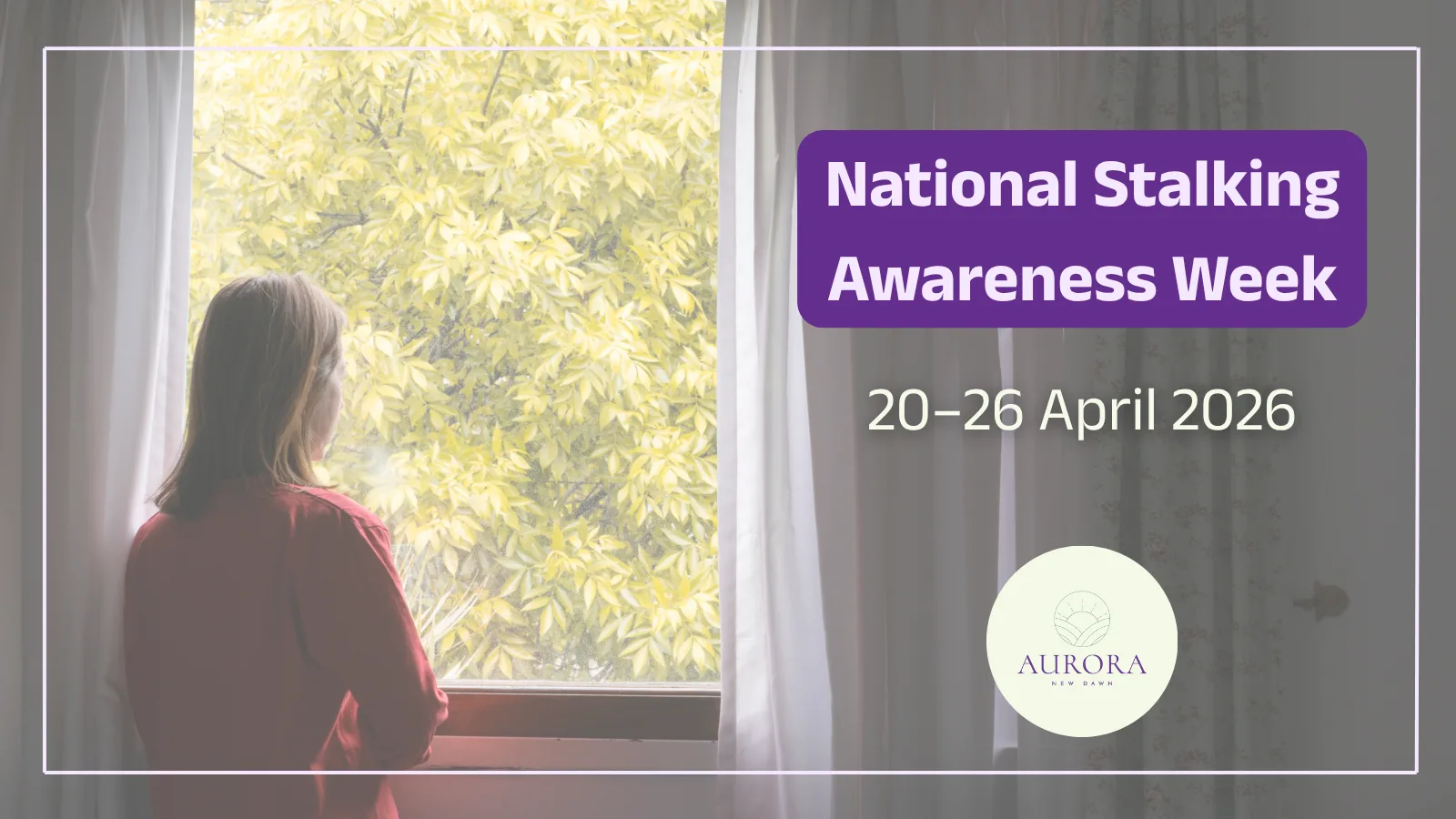
This issue is particularly relevant in the context of National Stalking Awareness Week 2026, which places a strong emphasis on the link between stalking and more extreme forms of harm, including homicide. The focus of this year’s campaign is important because it challenges the common misconception that stalking is simply irritating or obsessive behaviour, rather than something dangerous. Research and case studies have shown that stalking is often a precursor to more serious violence, especially in cases involving domestic abuse. This highlights the need to treat stalking as an early warning sign rather than a low-level offence.
A key theme emerging from this year’s awareness week is the importance of early intervention. In many cases, stalking behaviours begin after the breakdown of a relationship, where one individual continues to exert control through unwanted contact or surveillance. These actions are sometimes minimised or misinterpreted as emotional vulnerability; however, they can quickly escalate if not addressed. By recognising these patterns early, there is a greater opportunity for legal and social interventions to take place, potentially preventing more severe outcomes.
In addition, stalking is increasingly linked to broader contemporary issues such as digital safety and privacy. The rise of social media and mobile technology has made it easier for perpetrators to engage in what is often referred to as cyberstalking. This can include tracking someone’s location, repeatedly messaging them across multiple platforms, or monitoring their online presence. As a result, victims may feel that there is no clear boundary between their public and private lives, intensifying the sense of fear and lack of control.
Overall, the focus of National Stalking Awareness Week 2026 reinforces the idea that stalking should be taken seriously as a form of harmful and potentially escalating behaviour. By drawing attention to its connection with severe violence and homicide, the campaign encourages a shift in how stalking is perceived, promoting earlier recognition, stronger legal responses, and greater public awareness.